
Japanese aesthetics, renowned for their meticulous attention to detail and profound connection to nature, now extend to the realm of essential oil sets. This exploration delves into the unique visual language, sensory experiences, and cultural influences shaping this emerging trend. From the subtle color palettes to the intricate craftsmanship, these sets offer a sophisticated approach to aromatherapy, blending tradition with modern sensibilities.
The aesthetic encompasses more than just pleasing visuals; it’s a carefully curated experience that reflects a deep-seated respect for natural materials and spiritual harmony. This detailed look at the Japanese essential oil set aesthetic uncovers the key elements that contribute to its allure, including the role of nature, spirituality, and traditional Japanese aesthetics like wabi-sabi and minimalism.
Defining the Aesthetic
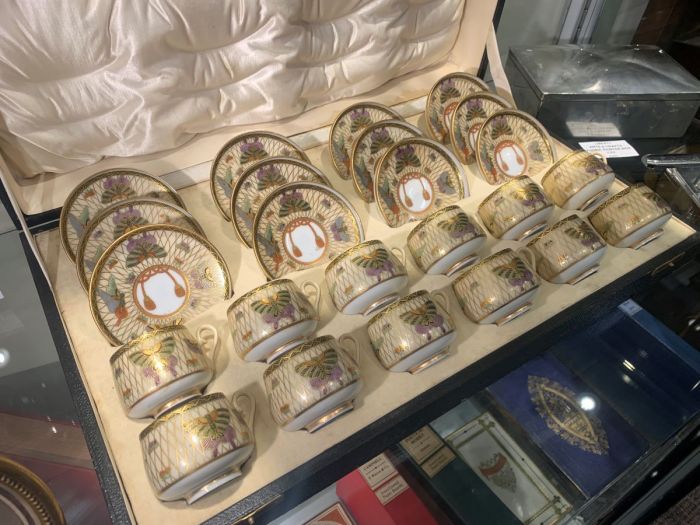
The Japanese essential oil set aesthetic, a burgeoning trend, is characterized by a sophisticated blend of traditional Japanese design principles and modern wellness practices. This aesthetic evokes a sense of serenity and tranquility, drawing inspiration from the natural beauty and cultural richness of Japan. The visual language is clean, minimalist, and often subtly evocative of nature, fostering a mindful and restorative experience.This aesthetic transcends a simple collection of products; it’s an experience designed to harmonize with the user’s environment and promote well-being.
The careful selection of materials, colors, and textures all contribute to this holistic effect. The Japanese influence extends beyond mere visual appeal, encompassing the philosophy of mindfulness and harmony with nature that underpins the entire design.
Visual and Sensory Elements
The aesthetic hinges on a harmonious balance of visual and sensory elements. A strong emphasis on natural light and muted color palettes is crucial, creating a serene atmosphere. Subtle, natural patterns, such as bamboo or floral motifs, are frequently incorporated, drawing inspiration from the natural world. The tactile quality of materials, often featuring smooth, polished surfaces, contributes to the overall sense of tranquility.
The subtle scents of essential oils further enhance the sensory experience.
Color Palettes, Textures, and Materials
The color palettes typically lean towards soft, muted tones – think earthy browns, calming greens, serene blues, and delicate pastels. These colors evoke a sense of calm and serenity, mirroring the natural landscapes of Japan. Common textures include smooth ceramics, polished wood, and subtle woven materials. These materials are often carefully selected for their natural beauty and tactile appeal.
The overall effect is one of understated elegance and sophisticated simplicity.
Cultural Influences
The aesthetic draws significant inspiration from Japanese design principles, including minimalism, harmony with nature, and a focus on craftsmanship. The concept of “wabi-sabi,” a philosophy that embraces imperfection and natural beauty, often manifests in the design’s subtle imperfections and natural textures. The emphasis on mindfulness and the restorative power of nature, deeply rooted in Japanese culture, further shapes this aesthetic.
The influence of Zen Buddhism and traditional Japanese gardens also contribute to the overall sense of peace and serenity.
Japanese Design Elements in Essential Oil Sets
| Element | Description | Example | Image Description |
|---|---|---|---|
| Minimalism | Simplicity and avoidance of clutter. Focus on essential elements. | A set with a single, elegant diffuser and a small, understated bottle of oil. | A sleek, white diffuser with a single, smooth, dark-colored essential oil bottle. |
| Natural Materials | Use of materials like bamboo, wood, and stone. | A diffuser crafted from polished bamboo, accented with a small wooden lid. | A diffuser made from smooth, light-brown bamboo, with a lid that looks like a tiny, polished piece of wood. |
| Muted Color Palettes | Earthy tones and soft pastels. | A set with bottles in shades of sage green and muted brown. | Essential oil bottles in different shades of muted green, including a sage green and a darker, forest green, with a few subtle, dark-brown accents. |
| Subtle Patterns | Delicate floral motifs or nature-inspired patterns. | A set with a diffuser featuring subtle bamboo patterns. | A diffuser with a simple bamboo pattern carved into its surface, a light beige-colored diffuser with delicate, carved bamboo patterns. |
Product Attributes
Japanese essential oil sets, reflecting a deep-seated cultural appreciation for natural remedies and aesthetics, typically feature carefully curated selections of high-quality oils. These sets often serve as more than just a collection of products; they embody a philosophy of mindful well-being and connection with nature. The meticulously designed packaging and selection of oils contribute to a holistic experience, evoking a sense of tranquility and sophistication.Japanese essential oil sets are often characterized by a blend of practicality and artistry.
The careful selection of oils, coupled with the elegant presentation, underscores the importance of natural elements in Japanese culture. The design choices communicate a refined appreciation for the subtleties of nature and the benefits of aromatherapy.
Common Product Features
Japanese essential oil sets often include a variety of practical features beyond the oils themselves. These sets frequently include small, high-quality glass bottles, meticulously crafted to preserve the purity and aroma of the oils. Many sets include small, wooden or ceramic diffusers, designed to complement the delicate fragrance of the oils. Furthermore, some sets may include instructional booklets, emphasizing the proper use and benefits of each oil, often incorporating traditional Japanese wisdom.
Types of Essential Oils
The selection of essential oils in Japanese sets frequently reflects the country’s appreciation for natural remedies. Common choices include calming scents like lavender and chamomile, often associated with relaxation and mindfulness. Citrus essential oils, like lemon and grapefruit, are also prevalent, known for their invigorating properties and ability to promote clarity. Peppermint, a popular choice for its invigorating effect, is also a frequent inclusion.
The selection of specific oils is often based on the intended use and aesthetic appeal.
Packaging Styles and Materials
The packaging of Japanese essential oil sets often embodies the aesthetic principles of simplicity and elegance. Sets are frequently presented in minimalist, yet sophisticated, boxes made from high-quality materials like wood, paper, or bamboo. The use of natural materials further underscores the connection to nature. The boxes are often embellished with subtle designs, such as delicate patterns or subtle engravings, enhancing the overall visual appeal and reinforcing the brand’s commitment to quality.
Craftsmanship and Attention to Detail
Japanese essential oil sets exemplify the country’s deep-seated commitment to craftsmanship and attention to detail. The careful selection of materials, from the glass bottles to the packaging, reflects a dedication to quality and longevity. The precise application of traditional techniques in the production process results in a high-quality product. Furthermore, the focus on minimalism and clean lines further enhances the aesthetic appeal of these sets.
Essential Oil Types and Cultural Associations
| Essential Oil Type | Description | Cultural Association | Image Description |
|---|---|---|---|
| Lavender | A floral, calming essential oil. | Associated with relaxation, tranquility, and mindfulness. | A delicate, light purple flower with soft, slightly curved petals. The image evokes a sense of serene stillness. |
| Chamomile | A gentle, floral essential oil. | Linked to calming and sleep-promoting properties, reflecting a connection to natural remedies. | Small, daisy-like flowers with soft, light yellow petals, arranged in a gentle cluster. |
| Lemon | A citrusy, uplifting essential oil. | Associated with clarity, focus, and a sense of invigorating freshness, echoing Japanese principles of clarity and simplicity. | A bright, golden-yellow citrus fruit, radiating a sense of vibrancy. |
| Peppermint | A refreshing, invigorating essential oil. | Linked to alertness, focus, and a sense of revitalization, highlighting the Japanese focus on well-being. | A deep green, pointed leaf, radiating a sense of freshness and vigor. |
Visual Representation
The visual representation of a Japanese essential oil set is crucial in conveying its intended aesthetic and evoking the desired emotional response. This aesthetic hinges on a harmonious blend of natural elements, traditional motifs, and a minimalist design philosophy, all working together to project an aura of tranquility and sophistication. The visual language chosen must resonate with the target consumer’s aspirations for well-being and self-care.The imagery employed should seamlessly integrate with the product’s inherent qualities, highlighting its connection to nature and traditional Japanese artistry.
Visual metaphors play a key role in conveying the product’s essence, associating it with serenity, mindfulness, and the ancient wisdom of Japanese culture.
Visual Metaphors and Imagery
The imagery associated with the Japanese essential oil set aesthetic often draws inspiration from nature’s serene landscapes. Think of meticulously arranged, minimalist compositions featuring flowing water, blooming cherry blossoms, or stylized depictions of bamboo forests. These images evoke a sense of calmness and connection to the natural world, mirroring the calming and restorative properties often attributed to essential oils.The visual language often employs soft, muted color palettes reminiscent of Japanese aesthetics.
Shades of deep greens, calming blues, and warm beiges are frequently used, creating a sense of harmony and tranquility. These color choices reflect the emphasis on natural beauty and serenity, reinforcing the product’s ability to promote relaxation and well-being. For example, a serene image of a bamboo grove bathed in soft morning light would evoke a sense of calm and tranquility.
Enhancing Perceived Value
Visual representation significantly enhances the perceived value of the essential oil set. A visually appealing and meticulously designed product suggests high quality and attention to detail. This perception translates into a higher perceived value proposition for the consumer, as they associate the visual appeal with the potential benefits of the product itself. The aesthetic design should reflect a connection to tradition and craftsmanship, suggesting a deeper, more meaningful product experience.
For instance, an image of the set nestled amongst a collection of carefully arranged natural elements, like stones and leaves, would enhance the product’s perceived value and its connection to nature.
Visual Motifs and Cultural Significance
The use of specific visual motifs in the essential oil set packaging carries cultural weight and significance, enhancing its connection to Japanese tradition and aesthetics. The chosen motifs must be carefully selected to evoke the intended feeling and avoid misinterpretations.
| Motif | Description | Cultural Significance | Image Description |
|---|---|---|---|
| Bamboo | Straight, slender stalks symbolizing resilience, strength, and flexibility. | Represents enduring spirit, adaptability, and the connection between nature and humanity. | A serene image of a bamboo forest, bathed in soft, diffused sunlight, with the essential oil set nestled amongst the stalks. |
| Cherry Blossoms (Sakura) | Delicate, fleeting blossoms symbolizing beauty, transience, and renewal. | Represent the ephemeral nature of beauty and the fleeting joy of life. Associated with spring, renewal, and celebration. | A close-up view of a delicate cherry blossom branch, with a small, elegantly designed essential oil set placed beneath the blossoms. |
| Water | Flowing water, often depicted in stylized forms, representing purity, tranquility, and continuity. | Symbolizes cleansing, renewal, and the continuous cycle of life. | An image of a small, cascading waterfall, with the essential oil set placed near the base, reflecting the serene ambiance of nature. |
Sensory Experiences
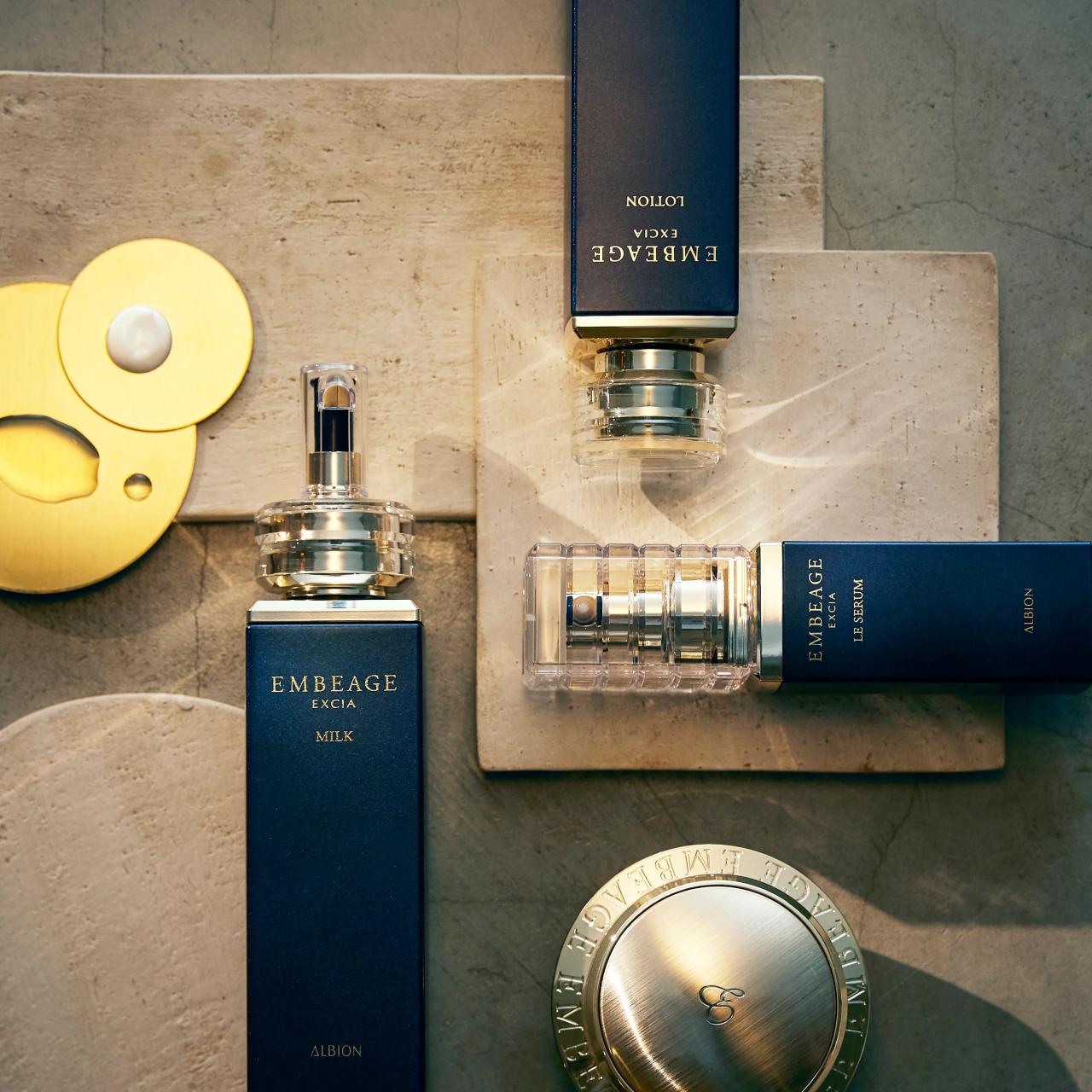
Japanese essential oil sets tap into a deeply rooted cultural appreciation for the sensory experience, blending traditional practices with modern wellness trends. These sets offer a unique opportunity to engage the senses, promoting tranquility and a connection to nature’s restorative power. The carefully curated selection of scents and presentation contribute to a holistic approach to well-being.The sensory experience is central to the appeal of Japanese essential oil sets.
The carefully selected scents evoke specific emotions and promote a sense of calm and rejuvenation, deeply resonating with the emphasis on mindfulness and harmony in Japanese culture. Aromatherapy, an integral part of this experience, facilitates a powerful link between scent and emotion, influencing the user’s mental and physical state.
Common Scents and Emotional Responses
Japanese essential oil sets often feature scents associated with nature and tranquility. Common choices include the calming aroma of green tea, the refreshing essence of bamboo, the earthy fragrance of cedarwood, and the subtle floral notes of cherry blossoms. These scents, carefully blended and presented, evoke a range of positive emotions, from peacefulness and serenity to a sense of rejuvenation and connection to the natural world.
The soft, subtle fragrances promote a feeling of harmony and well-being, reflecting the emphasis on balance in traditional Japanese aesthetics.
Aromatherapy’s Role
Aromatherapy plays a crucial role in enhancing the sensory experience of these sets. The subtle fragrances, carefully chosen for their therapeutic properties, promote relaxation and reduce stress. Inhalation of these essential oils is believed to stimulate specific parts of the brain, influencing mood and emotional responses. This sensory engagement promotes a deeper connection with the self and fosters a sense of inner peace.
Usage in Different Settings
These sets can be incorporated into various settings to enhance the sensory experience. In the home, they can create a tranquil atmosphere for meditation or relaxation. In a spa setting, the scents can enhance the therapeutic benefits of treatments. Even in a home office, the gentle fragrances can promote focus and reduce stress during periods of intense work.
The adaptability of these sets to different environments underscores their versatility.
Comparative Sensory Experiences of Essential Oils
| Essential Oil Type | Scent Description | Emotional Response | Image Description |
|---|---|---|---|
| Green Tea | A fresh, slightly grassy aroma with a subtle sweetness, reminiscent of a spring morning. | Promotes calmness, clarity, and a sense of rejuvenation. | A small, clear glass bottle with a dropper, filled with a vibrant green liquid, sitting on a bed of soft, natural-looking bamboo leaves. |
| Bamboo | A fresh, herbaceous scent with a hint of woodsy notes. | Evokes feelings of freshness, grounding, and a connection to nature. | A small, elegant, dark-colored bottle with a silver cap, resting on a smooth, polished wooden surface, with a few small bamboo stalks around it. |
| Cedarwood | A warm, woody scent with a slightly earthy undertone. | Induces feelings of peace, grounding, and stability. | A small, dark wooden box containing a few cedarwood sticks, with soft lighting highlighting the subtle textures. |
| Cherry Blossom | A delicate, sweet floral scent with a subtle, slightly powdery aroma. | Evokes feelings of serenity, joy, and a sense of spring renewal. | A small, elegant glass bottle with a gold cap, filled with a light pink liquid, resting on a white linen cloth, with delicate cherry blossom petals scattered around it. |
Cultural Context
Japanese culture deeply intertwines nature and spirituality, creating a unique aesthetic that profoundly influences design choices, particularly in the realm of essential oil sets. This fusion of natural elements and spiritual principles translates into products that are not merely functional but also deeply evocative of a harmonious connection with the surrounding world. The reverence for natural beauty, coupled with a focus on simplicity and mindfulness, shapes the aesthetic of Japanese essential oil sets.The inherent connection between nature and spirituality in Japanese culture fosters a deep appreciation for the subtle beauty of the natural world.
This sensibility translates into a design philosophy that prioritizes minimalism, craftsmanship, and a sense of tranquility. Traditional aesthetics, like wabi-sabi, further emphasize the beauty found in imperfection and impermanence, elements that find resonance in the delicate and often organic forms found in essential oil sets.
Traditional Japanese Aesthetics
Japanese aesthetics are deeply rooted in a philosophy of appreciating beauty in the natural world. Wabi-sabi, for example, emphasizes the beauty found in asymmetry, imperfection, and the transient nature of things. This philosophy finds expression in the use of natural materials, organic shapes, and muted color palettes. Minimalism, another key aesthetic principle, focuses on the essence of a design, reducing it to its most fundamental and evocative elements.
This approach underscores the importance of creating a serene and uncluttered environment.
Connection Between Cultural Elements and Essential Oil Sets
The following table illustrates the connection between specific Japanese cultural elements and the aesthetic choices in essential oil sets:
| Cultural Element | Description | Connection to Aesthetic | Image Description |
|---|---|---|---|
| Wabi-Sabi | Appreciation of natural beauty, asymmetry, imperfection, and impermanence. | Essential oil sets might feature subtly uneven surfaces, natural wood grains, or variations in color that reflect the organic nature of the materials used. The aesthetic avoids perfect symmetry, embracing the inherent imperfections of nature. | An essential oil set with a wooden box displaying a natural, slightly uneven wood grain and muted, earthy colors. The box shape might be slightly irregular, reflecting the wabi-sabi aesthetic. |
| Minimalism | Emphasis on simplicity and the essence of a design. | Essential oil sets might use a limited color palette, such as muted earth tones or soft pastels. The design might focus on clean lines and uncluttered forms. The focus is on the function and quality of the product rather than excessive ornamentation. | A simple, sleek essential oil set with a minimalist design. The bottles might be clear glass or have a subtle, muted color. The packaging would be minimal and understated. |
| Nature Appreciation | Deep reverence for natural beauty and harmony with the environment. | Essential oil sets might feature imagery or motifs inspired by Japanese nature, such as cherry blossoms, bamboo forests, or mountains. The use of natural materials like wood, bamboo, or stone would be prominent. | An essential oil set with a bamboo-like structure for the diffuser, or a set that incorporates the image of a stylized Japanese garden scene on the packaging. |
Materials and Craftsmanship
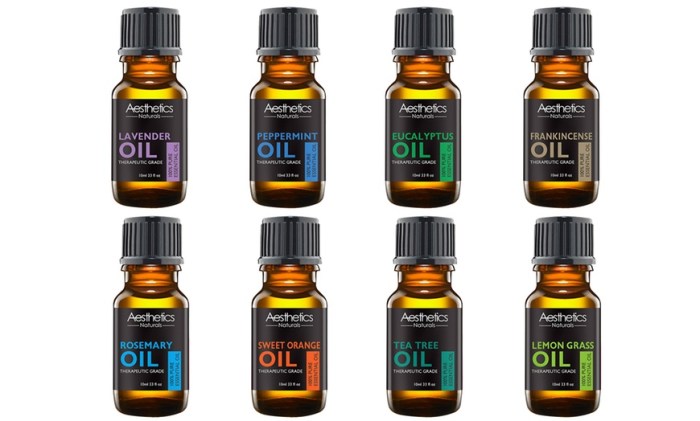
Japanese essential oil sets often evoke a sense of refined elegance and meticulous craftsmanship, reflecting the country’s rich aesthetic traditions. These sets frequently incorporate natural materials, emphasizing sustainability and a connection to the environment. The selection of materials and the intricate techniques used in their processing contribute significantly to the overall experience and value of the product.The meticulous attention to detail in the creation of Japanese essential oil sets is rooted in the country’s cultural appreciation for beauty and functionality.
Natural materials are prioritized, with the aim of creating products that are not only visually appealing but also contribute to a harmonious and mindful experience. The craftsmanship often involves generations-old techniques, ensuring quality and preserving traditional knowledge.
Common Materials
Japanese essential oil sets frequently utilize a diverse range of materials, often chosen for their aesthetic appeal and inherent qualities. Wood, bamboo, and ceramic are prevalent, each lending a distinct character to the set. The selection of these materials reflects the appreciation for natural beauty and sustainability within Japanese culture.
Craftsmanship Techniques
The creation of these sets often involves intricate hand-crafting techniques. Carving, turning, and lacquering are common methods used to shape and finish wooden components. Intricate patterns and designs are frequently employed, adding to the aesthetic appeal of the set. The application of traditional lacquering techniques often enhances the durability and aesthetic appeal of wooden elements. The delicate balance of artistry and practicality is crucial to the quality of the final product.
Importance of Natural Materials
The use of natural materials in Japanese essential oil sets is deeply rooted in the cultural emphasis on sustainability and harmony with nature. The selection of materials like bamboo, wood, and ceramic, for instance, directly connects the product to the natural environment. This connection contributes to a sense of serenity and tranquility, enhancing the overall user experience. This emphasis on natural materials aligns with contemporary concerns about environmental consciousness and ethical production.
Production Methods
Traditional methods of production are often employed in the creation of these sets, reflecting a commitment to preserving traditional craftsmanship. This dedication to meticulous detail and traditional techniques ensures a high level of quality and authenticity. The craftsmanship often involves hand-finishing and polishing techniques, creating a sense of refinement and longevity. The preservation of these traditional methods contributes to the cultural heritage of Japanese craftsmanship.
Materials and Significance Table
| Material | Description | Significance | Image Description |
|---|---|---|---|
| Bamboo | Lightweight, strong, and readily available natural material. | Symbolizes strength and adaptability in nature, contributing to a sense of lightness and elegance. | A close-up view of a bamboo section, showcasing its natural striations and smooth surface. |
| Wood (e.g., Cherry, Maple) | Durable and aesthetically pleasing wood varieties, often chosen for their natural grain patterns. | Represents the enduring strength and beauty of nature, evoking a sense of tranquility and warmth. | A detailed image of a wooden box, highlighting the wood’s rich grain and the smooth finish. |
| Ceramic | Durable and versatile material, often used for containers or decorative elements. | Represents the artistry of pottery, signifying a connection to the earth and a sense of refinement. | A ceramic bottle or container, displaying intricate designs or glazing techniques. |
| Silk/Cotton | Soft, luxurious fabrics for lining or decorative elements. | Adds a touch of elegance and comfort, representing a sense of refinement and attention to detail. | A close-up of a silk fabric with a delicate pattern, highlighting its texture and smoothness. |
Target Audience
The ideal customer for a Japanese essential oil set, imbued with a refined aesthetic, is a discerning individual seeking a holistic wellness experience rooted in traditional Japanese principles. This target segment values authenticity, craftsmanship, and a mindful approach to daily life, often exhibiting a sophisticated understanding of luxury goods and a desire for unique, high-quality products.This demographic appreciates the subtle nuances of Japanese culture, including the emphasis on harmony, tranquility, and connection with nature.
Their appreciation for this aesthetic stems from a desire to integrate these values into their personal space and daily routine, fostering a sense of serenity and well-being. Consequently, effective marketing strategies will need to highlight these aspects, emphasizing the inherent value and cultural significance of the product.
Identifying Potential Customers
This target audience is characterized by a blend of demographics and psychographics. They often exhibit a preference for natural and holistic solutions, actively seeking products aligned with their personal values. They are likely to engage with brands that showcase transparency, ethical sourcing, and a commitment to quality. This customer segment frequently seeks out products that reflect a sense of tranquility and sophistication.
Marketing Strategies
Effective marketing strategies for these essential oil sets should focus on showcasing the cultural heritage and craftsmanship behind the product. Targeted advertising campaigns in lifestyle publications, wellness blogs, and online platforms frequented by individuals interested in Japanese aesthetics and holistic practices would be highly effective. Highlighting the natural ingredients and sustainable production methods, alongside the visually appealing packaging and traditional Japanese design elements, is crucial.
Collaborations with wellness influencers and practitioners specializing in aromatherapy and mindfulness can amplify the reach and credibility of the brand. Utilizing social media platforms that cater to this target demographic, emphasizing the visual appeal of the product, will also be vital.
Demographic and Psychographic Profile
| Demographic | Psychographic | Preference | Image Description |
|---|---|---|---|
| Age: 25-55 | Values authenticity, mindful living, and traditional aesthetics. | High-quality, handcrafted products with a strong emphasis on natural ingredients. | A woman in her 30s, dressed in a simple, elegant kimono, holding a delicate Japanese essential oil diffuser. |
| Education: Graduate or Post-graduate | Seeking personal growth and well-being through holistic practices. | Products that convey a sense of tranquility and sophistication. | A man in his 40s, wearing a comfortable, neutral-toned outfit, meditating in a room with a traditional Japanese aesthetic. The room includes a set of essential oil bottles. |
| Income: Upper-middle to high | Appreciates luxury and unique experiences, and is open to investing in premium products. | Products with a strong emphasis on visual appeal and craftsmanship. | A well-lit, modern home with a zen garden, featuring a meticulously arranged essential oil set on a table. |
| Location: Urban areas with strong cultural influences, particularly in Asia, North America, and Europe | Open to exploring new experiences and cultural perspectives, seeking products that reflect a connection to nature and tradition. | Sets that integrate seamlessly into a home environment, promoting relaxation and mindfulness. | A close-up of a Japanese essential oil set displayed on a meticulously arranged wooden table with natural light illuminating the bottles, showcasing their intricate details. |
Comparison to Other Styles
The Japanese aesthetic, renowned for its simplicity, harmony, and attention to detail, finds a unique expression in the design of essential oil sets. This approach contrasts with other cultural styles, offering a distinctive perspective on natural wellness and the integration of beauty into everyday life. Examining these differences reveals the core principles shaping this particular aesthetic.The Japanese aesthetic in essential oil sets prioritizes understated elegance and a deep connection to nature.
This contrasts with, for example, the more overtly decorative styles of some Western essential oil sets, or the bolder, often vibrant color palettes of certain South Asian traditions. This subtle difference in approach speaks to the cultural values embedded in each design philosophy.
Contrasting Cultural Styles
The unique characteristics of the Japanese essential oil set aesthetic stem from a deep-seated reverence for nature, a focus on minimalism, and a pursuit of balance. These principles are reflected in the materials used, the form of the containers, and the overall presentation of the set. This emphasis on natural materials, often incorporating traditional Japanese craftsmanship, distinguishes it from styles that prioritize synthetic or highly stylized designs.
Table of Comparison
| Cultural Style | Key Features | Comparison | Image Description |
|---|---|---|---|
| Japanese | Natural materials (wood, bamboo, stone), understated colors (muted greens, browns, creams), minimalist design, focus on natural form, emphasis on craftsmanship, delicate calligraphy or subtle symbols. | Emphasizes serenity and harmony with nature. Often eschews overt ornamentation or bold colors, focusing on clean lines and subtle textures. | An elegant, wooden essential oil set with a simple, rectangular shape. The lid is a slightly darker wood tone, showcasing a subtle, embossed pattern. The set sits on a tatami-style matting, which is visible around the base of the set. The overall color palette is a soft, muted brown and light beige. |
| Western | Often uses glass or plastic bottles, vibrant colors, ornate designs, bold graphics, focus on branding and marketing, often with a strong emphasis on modern or contemporary design. | Tends to prioritize a more visually stimulating and immediately recognizable aesthetic, often emphasizing the brand or product. | A set of essential oil bottles with bright, colorful labels, showcasing bold graphics and typography. The bottles themselves are clear glass, and the overall design style is modern and contemporary, with a focus on clean lines. |
| South Asian | Often uses intricate carvings, embellishments, and vibrant colors. The sets may include elements of mythology or folklore, and the presentation might be more ornate and elaborate. | Emphasizes rich cultural heritage through ornamentation and visual storytelling. | A set of essential oil bottles with intricate, hand-painted designs. The bottles are made of clay or ceramic, and the colors are bright and saturated, including reds, golds, and blues. The design elements include stylized flowers, leaves, and abstract patterns. |
Product Design Ideas
Japanese essential oil sets, deeply rooted in mindful aesthetics, offer a unique opportunity for sophisticated product design. These sets should transcend mere functionality, embodying the serenity and precision inherent in Japanese culture. Careful consideration of materials, form, and presentation is paramount to achieving this desired effect.The design must seamlessly integrate the essence of the oils with the artistry of the container, creating a harmonious whole.
The resulting experience should be one of subtle luxury, encouraging mindful use and appreciation for the product.
Packaging and Labeling
Packaging plays a crucial role in conveying the essence of the essential oil set. Elegant, minimalist designs, featuring muted color palettes and subtle, yet impactful, Japanese imagery are key. Consider incorporating elements like delicate calligraphy, traditional Japanese patterns (e.g., wavy lines, cherry blossoms, bamboo), or minimalist illustrations of nature. The labeling should use a font that evokes a sense of serenity and sophistication, and the product name and details should be presented concisely and clearly.
For example, a set of calming oils might use muted blues and greens, with delicate calligraphy depicting a serene landscape. Conversely, a set of invigorating oils could utilize warm earth tones and simple illustrations of mountain peaks.
Material Selection
The choice of materials is critical. Natural materials like wood, bamboo, or ceramic, polished to a smooth, high sheen, will complement the essential oil set’s aesthetic. The material selection should reflect the intended use and the sensory experience. For example, using warm, natural woods like cherry or cedar for a calming set creates a connection to nature.
High-quality glass, subtly tinted, offers a clear view of the oils while enhancing the overall visual appeal.
User Experience Enhancement
The user experience should be centered around the principles of mindfulness. A thoughtfully designed set should facilitate the practice of mindful aromatherapy. For instance, incorporating a small, elegantly designed booklet with guided meditation or aromatherapy techniques can enhance the user experience. A beautifully crafted presentation box, allowing the set to be displayed with pride, could also enhance the user experience.
Design Concepts for Essential Oil Sets
| Design Concept | Description | Implementation | Image Description |
|---|---|---|---|
| Zen Garden Set | This set evokes a sense of tranquility and serenity. It uses natural materials like bamboo, smooth river stones, and subtly colored glass bottles. The packaging reflects a minimalist aesthetic with subtle Japanese calligraphy. | The bottles are housed in a wooden box with a small, removable tray, designed to resemble a miniature zen garden. The labels feature simple, elegant calligraphy, showcasing the name and properties of each oil. | A wooden box, open to reveal a small tray with a few bamboo stalks and river stones, with essential oil bottles arranged within the tray. The color scheme is muted earth tones and soft greens. |
| Cherry Blossom Bloom Set | This set emphasizes a delicate and elegant theme. It uses light, pastel colors, inspired by cherry blossoms and incorporates delicate floral patterns on the packaging and labels. The bottles are housed in a light-colored wooden box. | The bottles are housed in a light-colored wooden box. The packaging features delicate floral patterns and light pastel colors, reminiscent of cherry blossoms. The labels have the oil names written in a refined script font, with small illustrations of cherry blossoms or nature scenes. | A light-pink wooden box, with floral patterns printed on the lid and sides. Inside, essential oil bottles in light pastel colors are displayed. Small cherry blossom illustrations appear on the labels. |
| Bamboo Forest Set | This set emphasizes a connection to nature and incorporates the tranquility of a bamboo forest. It uses natural materials like bamboo and muted greens, browns, and greys. | The set is presented in a bamboo-accented box with a design that suggests a bamboo grove. The bottles are housed in a clear glass display, reflecting the natural light. | A bamboo-colored box, open to reveal a glass display holding essential oil bottles in muted shades of green and brown. The display subtly resembles a miniature bamboo forest. |
Final Conclusion
In conclusion, the Japanese essential oil set aesthetic represents a powerful fusion of tradition and modernity, offering a unique approach to aromatherapy. The meticulous attention to detail, natural materials, and evocative imagery create a holistic experience that resonates deeply with those seeking tranquility and harmony. This exploration has unveiled the multifaceted nature of this aesthetic, highlighting its cultural significance and potential to captivate a discerning market.
